
WallOut / Guides
The endgame
Once the walls run out, WallOut is a pure race, and a race can be counted. We had the computer play itself 600 times and checked the endgames with our exact solver. Here is how to count, how often the count is right, where it goes wrong, and what your last wall is worth.
How to count
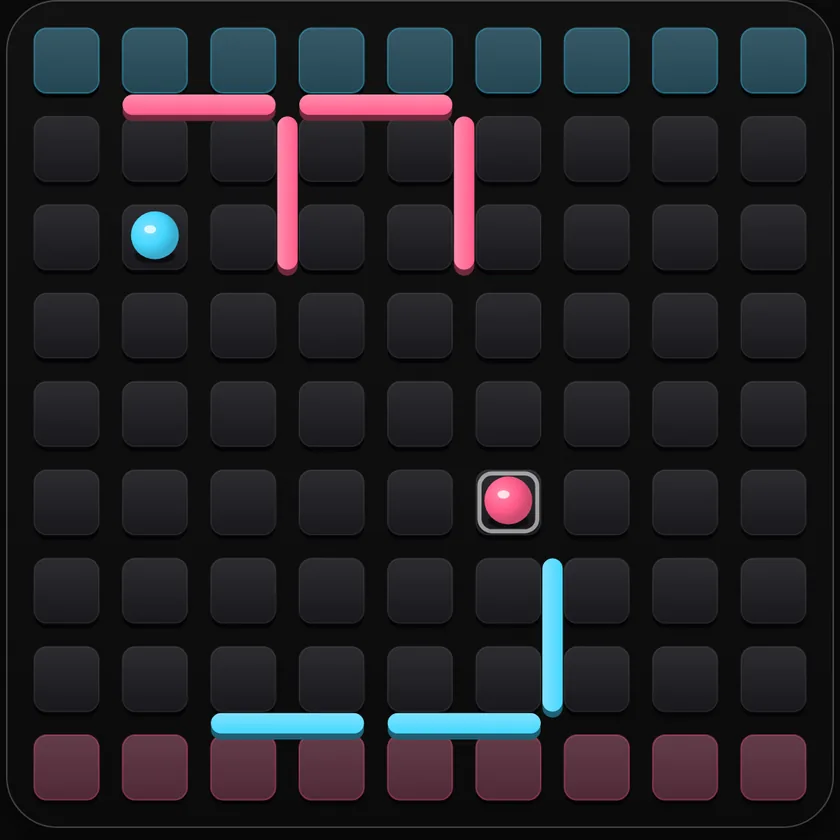
Count the steps your ball needs to reach the far side by the shortest open route, walking around every wall. Then count the same for your rival. On your move, you win the race if your number is the same as theirs or smaller: moving first is worth one step.
How often the count is right
In 217 of our 600 games both players used all ten walls. At that moment, the count named the winner in 214 of them. This is how it went for the player whose move it was:
| On your move, you are | Games | You won |
|---|---|---|
| Two or more steps ahead | 100 | 100 |
| One step ahead | 9 | 9 |
| Level | 22 | 20 |
| One step behind | 36 | 1 |
| Two or more steps behind | 50 | 0 |
We also took 430 later positions from the same games, at the point where both balls were within six steps of home, and imagined both players out of walls. The count was right in 427 of them.
When the count goes wrong: the balls meet
The count treats the two balls as if they could pass straight through each other. They can't. In five of the six misses we found, the two balls ended up side by side. When they meet, the one who has to step next to the other gives the other a jump, so neither wants to go first, and the count stops working.
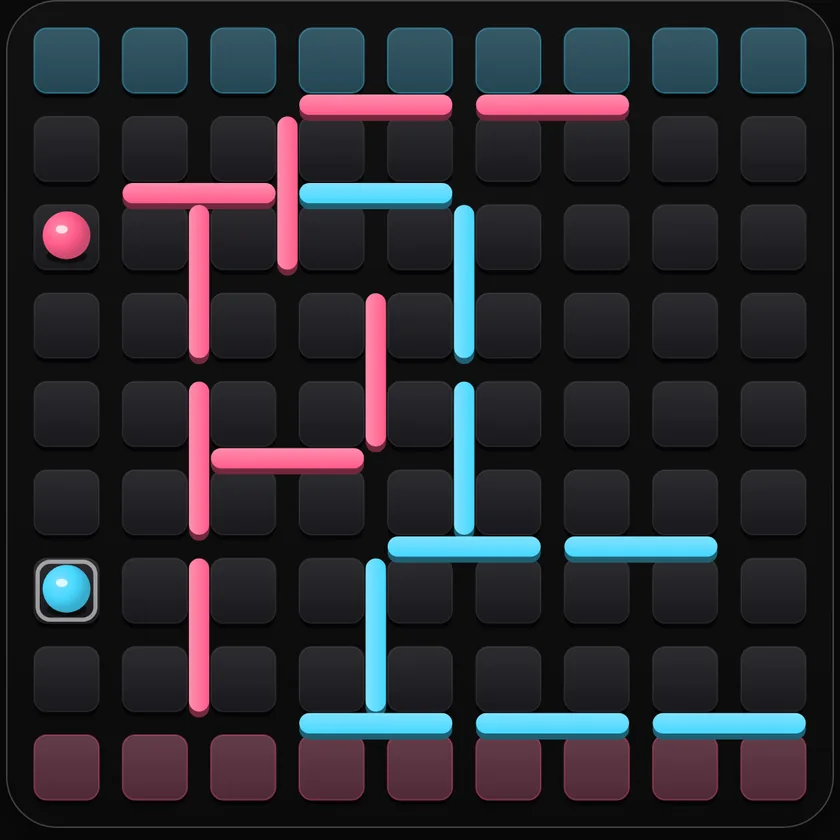
So when the routes cross, count who reaches the meeting point first. That player usually has to stop short, or give away the jump.
Your last wall
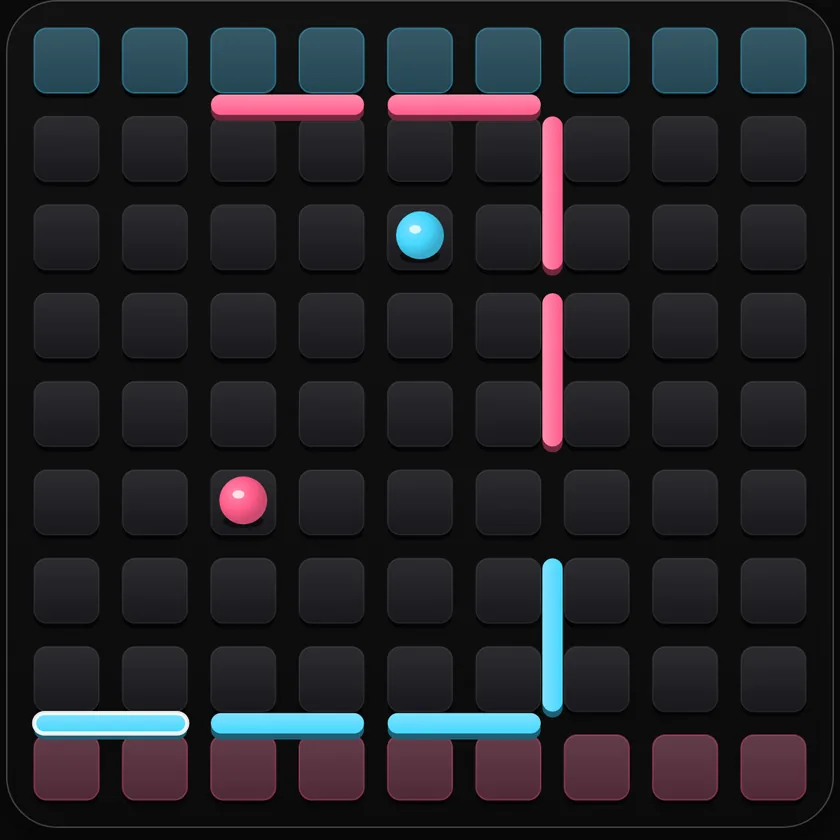
A wall costs you a turn, the same as one step. So in a race, a wall only helps if it costs your rival two steps or more. One step for one step changes nothing.
We gave the player to move one last wall, and the rival none, in the same 430 positions. Walking on was enough to win in 376 of them, and a wall won in 392. In 48 positions, about one in nine, the wall was the only way to win. In 32 it was the other way round: every wall that slowed the rival cost too much, and only walking won. The best wall usually cost the rival two steps, and three or more in about one position in five.
What this means for your games
- Count both routes every turn once the walls run low. Level on your move is a win.
- One step behind? Look for a wall that costs your rival two steps. If there isn't one, look at where the balls will meet.
- Keep your last wall until the count says you need it, then spend it where it turns a lost race into a won one.
- Before you step next to the other ball, check who gets the jump.
How the numbers were made: our Advanced level played itself 600 times, 120 milliseconds a move. To keep the games different, each side made a random step 30% of the time in the first eight moves; everything after that is the computer's own choice. The later positions are the first point in each game where both balls were within six steps of home and at least eight walls were on the board. Every race was then solved exactly by our endgame solver, which checks every possible line of play.